
Departmental ImpactTraining/programs to improve access to basic services2025Dr. Muhammad Akmal from Department of Fisheries and Aquaculture was selected and participated in 1,000 Agriculture Graduates Capacity Building Program on “Aquaculture, Especially Shrimp Production and Processing” in China. Which was designed to enhance the knowledge and practical skills of agriculture graduates in the aquaculture sector, with a particular focus on shrimp farming and processing. The program provided valuable insights into modern shrimp production techniques, pond preparation, water quality management, shrimp nutrition, disease prevention, biosecurity measures, and sustainable aquaculture practices. It also highlighted the importance of proper harvesting, post-harvest handling, processing, quality control, and value addition to ensure high-quality shrimp products for domestic and international markets. The training aimed to equip young graduates with practical expertise, encourage entrepreneurship, and promote employment opportunities in the fisheries and aquaculture industry. Overall, the program served as an important initiative to strengthen human resource capacity, promote sustainable shrimp aquaculture, and contribute to Pakistan’s seafood production and export potential. 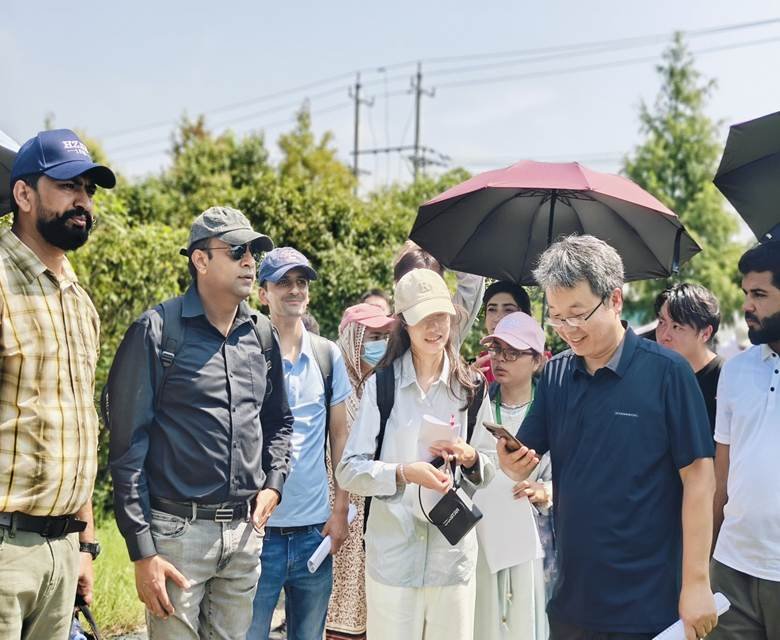 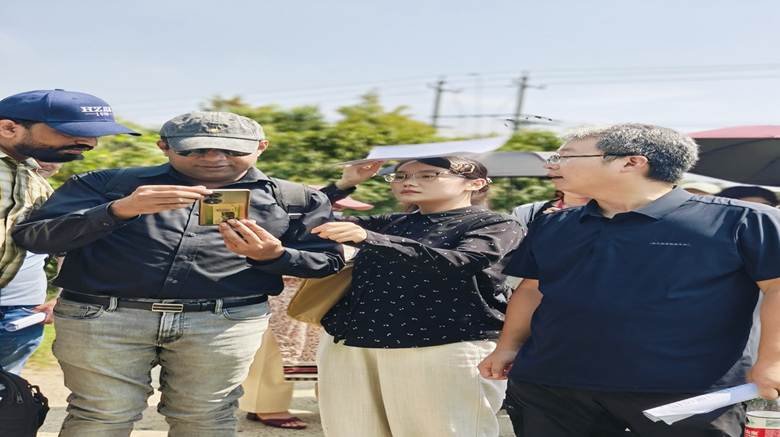 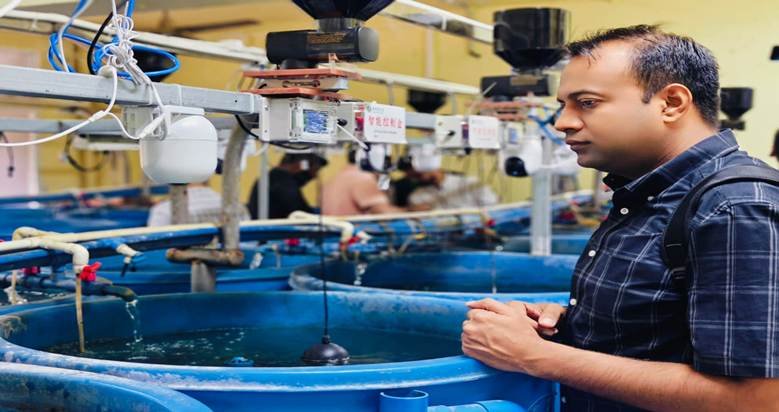 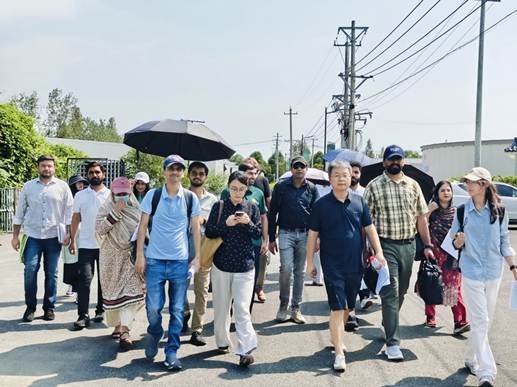 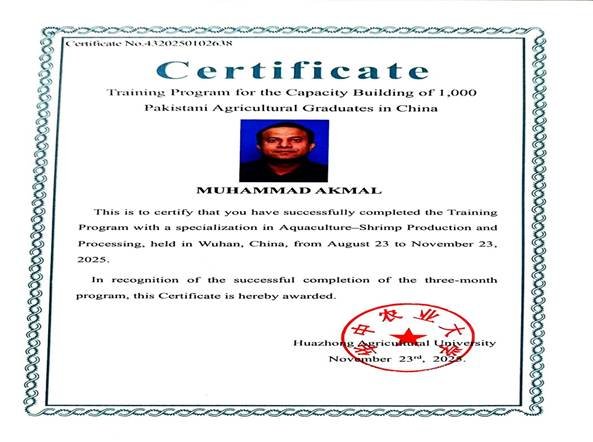 World Fisheries Day 2025 was celebrated to highlight the importance of fisheries and aquaculture in ensuring food security, improving livelihoods, and promoting sustainable development. The event featured an informative seminar in which an invited guest speaker shared valuable insights on the role of women in fisheries and aquaculture, emphasizing their contributions to the sector and the importance of women’s empowerment. A business idea competition was also organized to encourage students to present innovative and entrepreneurial ideas related to fisheries and aquaculture. Furthermore, discussions focused on fish production and consumption, highlighting the nutritional benefits of fish, the importance of increasing fish production, and the need to promote fish consumption for a healthy and balanced diet. Overall, the event provided an excellent platform for knowledge sharing, innovation, and awareness about the significance of fisheries and aquaculture in sustainable food production and economic development. 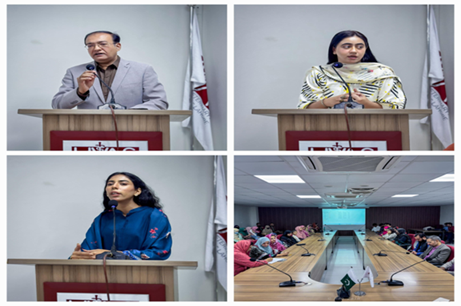 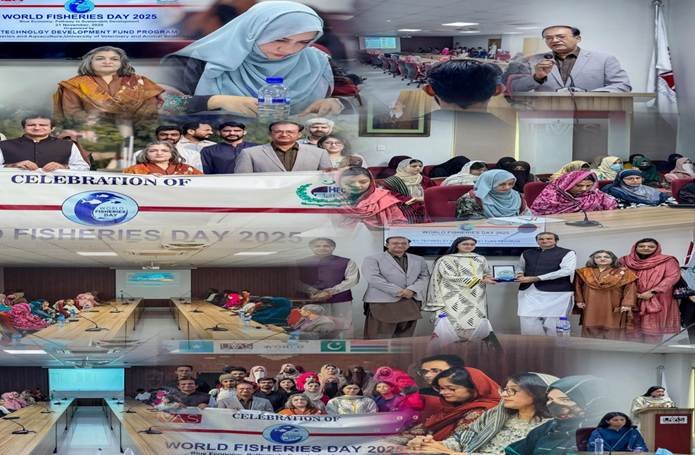 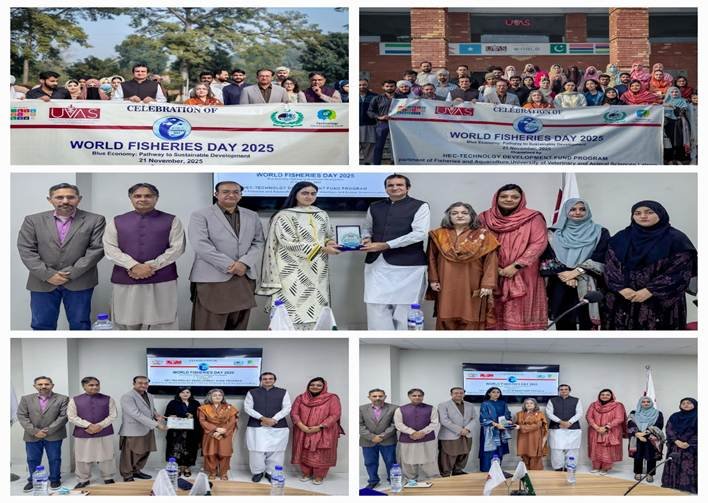 2024Department of Fisheries and Aquaculture, University of Veterinary and Animal Sciences (UVAS), Ravi campus celebrated "World Fisheries Day 2023" with the theme of "Cast the Net" today on November 21, 2023. Different activities including an awareness walk, seminar, fishing competition and business ideas competition were organized to highlight the importance of the day. Dr. Muhammad ABid, Director (Aquaculture) Department of Fisheries Govt of Punjab, was the chief guest while Dean Faculty of Animal Production and Technology UVAS, Prof. Dr. Saima, Chairman Department of Fisheries and Aquaculture Dr. Muhammad Hafeez-ur-Rehman, Chairman Department of Wildlife & Ecology and Principal Officer Ravi Campus Prof. Dr. Arshad Javid, Food Safety Officer M. Suleman Najeem, Aquaculture consultant M Adnan Arif, fisheries professionals and a large number of postgraduate students and faculty members attended. At the end shields were presented to the respectable speakers and certificates were distributed to the position holders of fishing and business ideas competition. 


In this training course, we focused on various processes and methods for adding value to fish products, aimed at increasing profit along the value chain. Surimi, a mechanically deboned, washed (bleached), and stabilized fish flesh, was highlighted as an intermediate product used in the preparation of ready-to-eat seafood such as Kamaboko, fish sausage, crab legs, and imitation shrimp. Ideally, surimi is made from low-value, white-fleshed fish with excellent gelling ability, which are abundant and available year-round. The concept of value addition was emphasized as it creates opportunities for new markets, facilitates market penetration, provides a competitive advantage, and mitigates risks. By adding value, owners could increase net income, profit margins, and enhance customer satisfaction. The new facility had the capacity to train up to 300 men and women fish processors each year. It also played a role in supporting and improving hygienic fish processing, reducing post-harvest losses, and promoting the adoption of new value-added products, including fish smoking technology and surimi-based products. The concept of value addition was emphasized as it created opportunities for new markets, facilitated market penetration, provided a competitive advantage, and mitigated risks. By adding value, owners were able to increase net income, profit margins, and enhance customer satisfaction. The program educated participants on effective marketing strategies for fish products produced at UVAS, including approaches for marketing during production and the development of comprehensive business plans for starting new ventures. It delivered valuable insights to the participants, many of whom were recent graduates from M.Phil. degree programs. As a result, these participants gained critical knowledge on entering the business sector, as well as the essential steps required to formulate viable business plans prior to launching their own enterprises. Businesses along the fish value chain constituted the primary livelihood for most individuals. However, these businesses faced challenges that needed to be addressed in order to enhance income generation and improve livelihoods. In response, the Department of Fisheries and Aquaculture organized a two-day capacity-building workshop to tackle some of these issues for twenty-five (30) participants. The training specifically selected beneficiaries who had not previously attended any sessions at the Fish Processing Unit of the Department of Fisheries and Aquaculture. The participants received hands-on training on the equipment used for fish processing. The aim of this training program was to enhance the knowledge and capacities of students in improving the value and quality of fisheries products through the application of simple methods and technologies, supporting the development of small-scale fisheries activities and businesses. The program included lectures and fish processing laboratory exercises. Participants received hands-on training in fish capture, handling, processing, and packaging of the products. 2023       2022One day Seminar of “Kitchen gardening and It’s Benefits” under project SIOP-185-18 KITCHEN WASTE COMPOSTING AND ITS USE AS FERTILIZER jointly funded by HEC and UVAS
One day Workshop on “Composting from Kitchen Waste” under project SIOP-185-18 KITCHEN WASTE COMPOSTING AND ITS USE AS FERTILIZER jointly funded by HEC and UVAS
|


