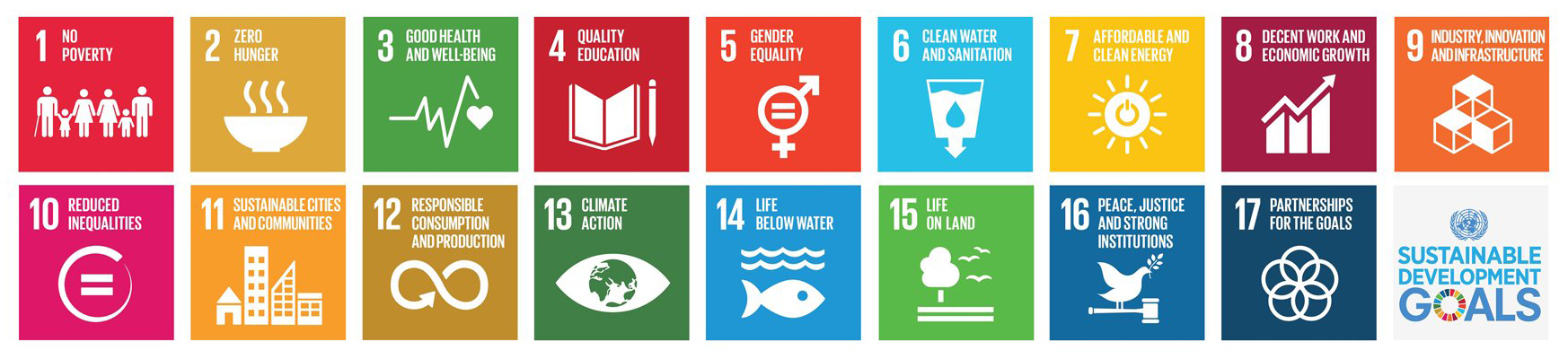
Departmental Impact
SGD1: No Poverty |
- Improve livestock health through research on safe and effective medicines, reducing economic losses for farmers.
- Promote rational drug use to minimize treatment costs and improve productivity of livestock.
- Conduct research on affordable, locally available medicinal plants and alternative therapeutic approaches for resource-poor farming communities.
- Train undergraduate and postgraduate students to develop skilled professionals who contribute to economic growth and employment.
- Support food security by reducing animal morbidity and mortality through evidence-based pharmacological interventions.
- Encourage entrepreneurship in veterinary pharmaceuticals, diagnostics, and animal healthcare services.
- Collaborate with government departments and industry to strengthen livestock health programs benefiting rural communities.
- Supervise research focused on improving livestock production, antimicrobial stewardship, and sustainable animal healthcare.
- Promote One Health approaches that protect both animal and human health, reducing healthcare-related financial burdens.
- Build the capacity of young researchers through training workshops, internships, and professional development programs.
|
SDG 2: Zero Hunger |
- Conduct research to improve animal health, resulting in enhanced livestock productivity and food availability.
- Promote the rational use of veterinary medicines to ensure healthy livestock and sustainable food production.
- Develop strategies to prevent and control infectious and parasitic diseases that reduce animal production.
- Support antimicrobial stewardship to maintain the effectiveness of medicines and safeguard livestock health.
- Monitor veterinary drug residues in meat, milk, eggs, and other animal products to ensure food safety and consumer protection.
- Investigate mycotoxins, pesticide residues, heavy metals, and other contaminants affecting food quality and safety.
- Evaluate medicinal plants and natural bioactive compounds as safe alternatives for disease prevention and treatment in livestock.
- Train undergraduate and postgraduate students in food safety, veterinary pharmacology, toxicology, and residue monitoring.
- Provide technical support and awareness programs for farmers, veterinarians, and livestock professionals on animal health management and responsible drug use.
- Collaborate with government agencies, research organizations, and industry to strengthen food safety and livestock health programs.
- Contribute to the One Health approach by integrating animal health, food safety, and public health to support sustainable food systems.
- Support sustainable livestock production through research that minimizes production losses and improves the quality and safety of animal-derived foods.
|
SDG 3: Good Health and Well-being |
- Promote the One Health approach by integrating animal, human, and environmental health in research and education.
- Strengthen antimicrobial stewardship to combat antimicrobial resistance (AMR) and protect both animal and public health.
- Monitor veterinary drug residues in food-producing animals to ensure safe meat, milk, eggs, and other animal products for consumers.
- Investigate toxic agents, environmental contaminants, and food-borne hazards affecting animal and human health.
- Develop evidence-based strategies for the prevention and management of poisoning and toxicological emergencies in animals.
- Train undergraduate and postgraduate students in pharmacology, toxicology, food safety, and responsible drug use.
- Organize seminars, workshops, and awareness programs on antimicrobial resistance, food safety, and public health.
- Collaborate with national and international organizations on research addressing emerging animal and public health challenges.
- Promote animal welfare through research and education on ethical, safe, and effective therapeutic practices.
- Enhance public health by ensuring the quality, safety, and responsible use of veterinary pharmaceuticals and chemicals.
|
SDG 4: Quality Education |
- Deliver high-quality undergraduate and postgraduate education in veterinary pharmacology, toxicology, and related disciplines.
- Continuously update curricula to reflect emerging scientific advances, industry needs, and global best practices.
- Promote outcome-based education through innovative teaching, practical training, and problem-based learning.
- Supervise MPhil and PhD research that addresses national and global challenges in animal health, food safety, and public health.
- Organize seminars, workshops, conferences, and guest lectures to enhance students' academic and professional development.
- Provide hands-on laboratory training in pharmacology, toxicology, pharmaceutical preparations, analytical techniques, and residue analysis.
- Encourage research, critical thinking, innovation, and scientific writing through student-led research projects and publications.
- Build students' capacity in data analysis, scientific communication, research ethics, and evidence-based decision-making.
- Foster interdisciplinary learning by integrating concepts of One Health, food safety, environmental health, and antimicrobial stewardship.
- Promote digital learning through e-learning platforms, virtual resources, and modern educational technologies.
- Facilitate internships, industrial visits, and collaborations with pharmaceutical industries, research institutes, and regulatory agencies.
- Support continuous professional development through faculty training, certification programs, and lifelong learning initiatives.
- Promote equal access to quality education and research opportunities in an inclusive and supportive learning environment.
- Strengthen national and international academic collaborations to enhance teaching quality, research excellence, and knowledge exchange.
|
SDG 5: Gender Equality |
- Promote merit-based recruitment, supervision, and professional development without discrimination based on gender.
- Encourage female students and researchers to pursue higher education, scientific research, and leadership roles.
- Provide equal access to laboratory facilities, research funding opportunities, and academic resources.
- Support the participation of women in national and international conferences, workshops, and scientific collaborations.
- Foster an inclusive, respectful, and harassment-free learning and working environment in accordance with university policies.
- Promote work-life balance through supportive departmental practices and flexible research arrangements where appropriate.
- Ensure fair and unbiased assessment of students, researchers, and employees based solely on merit and performance.
- Collaborate with university initiatives that promote women's empowerment, leadership, and equal participation in higher education and research.
|
SDG 8: Decent Work and Economic Growth |
- Produce highly skilled veterinary graduates and researchers equipped for careers in academia, industry, government, and private practice.
- Promote research and innovation in veterinary pharmacology, toxicology, and pharmaceutical sciences to support economic development.
- Strengthen the livestock and poultry sectors through evidence-based disease management, improving productivity and profitability.
- Support the pharmaceutical and animal health industries through collaborative research, product evaluation, and technical consultancy.
- Encourage entrepreneurship in veterinary pharmaceuticals, diagnostics, biotechnology, and animal healthcare services.
- Facilitate internships, industrial training, and professional placements to enhance students' employability and career readiness.
- Develop graduates with competencies in research, critical thinking, leadership, and professional ethics for the modern workforce.
- Collaborate with national and international institutions to strengthen research capacity, technology transfer, and innovation.
- Supervise research addressing industry challenges, including antimicrobial resistance, food safety, drug residues, and environmental toxicology.
- Contribute to sustainable economic growth by improving animal health, enhancing food quality, and increasing the efficiency of livestock production systems.
|
SDG 9: Industry, Innovation and Infrastructure |
- Conduct innovative research in veterinary pharmacology, toxicology, drug discovery, and food safety to address national and global challenges.
- Strengthen laboratory infrastructure with modern analytical and diagnostic equipment for advanced research and teaching.
- Promote translational research that bridges academia, industry, and regulatory agencies to develop practical healthcare solutions.
- Advance research on antimicrobial resistance, drug residues, environmental contaminants, and toxicological risk assessment using modern analytical techniques.
- Encourage innovation through interdisciplinary research involving veterinary medicine, biotechnology, environmental sciences, and public health.
- Build research capacity by training students and researchers in advanced laboratory techniques, analytical instrumentation, and scientific innovation.
- Develop and validate laboratory methods for the detection of veterinary drugs, toxins, pesticides, heavy metals, and other contaminants.
- Provide technical consultancy and scientific expertise to industry and regulatory authorities for quality assurance and product evaluation.
|
SDG 12: Responsible Consumption and Production |
- Promote the rational and judicious use of veterinary medicines to minimize misuse, wastage, and antimicrobial resistance.
- Conduct research on veterinary drug residues in meat, milk, eggs, and other animal products to ensure food safety and consumer protection.
- Monitor contaminants such as pesticides, mycotoxins, heavy metals, and environmental pollutants in food and animal feed.
- Train students and professionals in Good Laboratory Practices (GLP), biosafety, biosecurity, and responsible laboratory management.
- Promote the safe handling, storage, and disposal of pharmaceuticals, chemicals, and laboratory waste to minimize environmental contamination.
- Conduct research on environmentally friendly alternatives, including phytotherapeutics and natural bioactive compounds, to reduce dependence on synthetic chemicals.
- Raise awareness among farmers, veterinarians, and students about responsible medicine use, withdrawal periods, and safe food production practices.
|
SDG 15: Life on Land |
- Conduct research on environmental toxicology to assess the impact of chemicals, pesticides, and pollutants on terrestrial ecosystems and wildlife.
- Promote the responsible use of veterinary medicines to minimize environmental contamination and protect biodiversity.
- Investigate the effects of toxic substances on livestock, wildlife, companion animals, and ecosystem health.
- Monitor environmental contaminants, including heavy metals, pesticides, mycotoxins, and pharmaceutical residues, in soil, water, feed, and animal tissues.
- Evaluate medicinal plants and indigenous natural resources to support sustainable and biodiversity-friendly healthcare solutions.
- Support sustainable livestock production practices that reduce environmental degradation while maintaining animal health and productivity.
- Train students and researchers in environmental toxicology, ecotoxicology, wildlife toxicology, and sustainable veterinary practices.
- Raise awareness among farmers, veterinarians, and students about the environmental impacts of improper disposal of pharmaceuticals and agricultural chemicals.
- Promote safe disposal and management of laboratory chemicals, pharmaceutical waste, and hazardous materials to prevent soil and ecosystem contamination.
|
|